What Is Local SEO? A Guide for Small Business Owners
When someone in your area searches for what you sell, does your business show up? If you're not sure, or if you know the answer is no, you're losing customers to competitors who figured this out first.
Local SEO is how you fix that. It's the difference between being invisible online and being the first business people see when they search "plumber near me" or "best coffee shop in [your city]."
This guide explains what local SEO is, why it matters, and what you actually need to do about it.
What Local SEO Means
Local SEO is search engine optimization focused on your geographic area. Instead of trying to rank for broad terms like "web design" (competing with millions of websites), you focus on "web design in Toronto" or "web design near me."
The goal is simple: when someone nearby searches for what you offer, your business appears in the results.
Regular SEO focuses on your website. Local SEO focuses on your website plus your Google Business Profile, your presence on Google Maps, your reviews, and your listings in local directories (called citations). It's a broader effort, but the payoff is customers who are ready to buy and close enough to actually visit.
Why This Matters for Your Business
The numbers are hard to ignore.
46% of all Google searches have local intent (opens in a new tab). That means nearly half of everyone searching on Google is looking for something nearby. If your business serves a local area, that's your market.
Here's where it gets interesting: 76% of people who search for something nearby visit a business within 24 hours (opens in a new tab). And 88% of local mobile searches (opens in a new tab) lead to a call or visit within a day.
These aren't people casually browsing. They're ready to act. They need a plumber now. They want lunch nearby.
They're looking for a dentist who can see them this week. If your business shows up, you have a real chance at winning that customer. If it doesn't, someone else will.
Google is the primary discovery channel for local businesses. Even for businesses that have relied on word-of-mouth for decades, online visibility now determines whether new customers find you.
Local search customer journey: 46% of searches have local intent, 98% read reviews, 76% visit within 24 hours
The Google Local Pack
When you search for something local, you'll usually see a box with three businesses listed above the regular search results. This is called the Local Pack (sometimes called the "3-pack" or "map pack").
The Google Local Pack showing three business listings with ratings, hours, and a map above regular search results
It shows:
- Business name
- Star rating and number of reviews
- Address and hours
- A map with pins for each business
- Buttons to call or get directions
This box appears above the regular website results. It's the first thing people see after any ads.
Businesses that appear in the Local Pack get 126% more traffic (opens in a new tab) and 93% more actions (calls, direction requests, website clicks) than businesses ranked below it. Being in the top three versus position four or lower is a significant difference in visibility and customer contacts.
Google decides which three businesses to show based on three factors:
Relevance: How well does your business match what the person searched for? If someone searches "emergency plumber" and your profile says you do plumbing but doesn't mention emergency services, you're less relevant than a competitor who does.
Distance: How close is your business to the person searching? Google prioritizes nearby results, though a business further away can still rank if it's more relevant or prominent.
Prominence: How well-known and trusted is your business online? This includes your reviews, how complete your Google profile is, mentions of your business on other websites, and links pointing to your site.
You can influence all three of these factors. That's what local SEO is about.
Google Business Profile: Your Most Important Asset
Google Business Profile (formerly called Google My Business) is a free listing that controls how your business appears in Google Search and Google Maps. If you do nothing else for local SEO, do this.
When someone searches for your business by name, your Google Business Profile appears on the right side of the results. When someone searches for what you sell in your area, your profile competes for a spot in the Local Pack.
Google's guidance says complete and accurate profiles (opens in a new tab) are more likely to show in relevant local results and help customers trust your business.
What Your Profile Needs
Business name, address, and phone number (NAP): This must be exactly the same everywhere it appears online. Not "123 Main St" in one place and "123 Main Street" in another. Exact matches matter.
Business category: This is one of the strongest ranking signals. Choose the category that best describes your primary service. You can add secondary categories, but your main one matters most.
Hours of operation: Keep these accurate, including holiday hours. Nothing frustrates customers more than showing up to a closed business that Google said was open.
Photos: Include your storefront, your team, your work, and the inside of your business. Real photos generally outperform stock images for trust.
Services or products: List what you actually offer with clear descriptions.
Business description: A short explanation of what you do and what makes you different. Write it for customers, not search engines.
Setting up a Google Business Profile takes about 30 minutes. Google will verify that you own the business, usually by mailing a postcard with a code to your address or through video verification. Once verified, your profile can start appearing in search results. For a deeper look at what affects your ranking and how to get the most from your profile, see our guide on how to optimize your Google Business Profile.
Why Reviews Matter More Than You Think
Reviews do two things: they help you rank higher, and they convince people to choose you over competitors.
For ranking, reviews are a core local signal (opens in a new tab). Businesses in top positions usually have stronger review profiles than lower-ranked competitors.
For conversions, most consumers read reviews before choosing local businesses (opens in a new tab). People treat reviews as a trust filter before they call, visit, or request a quote.
The ideal rating isn't always a perfect 5.0, which can look suspicious. A steady flow of recent, authentic reviews is usually more persuasive than a flawless score with low volume.
Responding to Reviews Matters Too
Responding to reviews matters. Thoughtful responses to both positive and negative reviews can improve trust and reduce the impact of occasional negative feedback.
This means you should:
- Thank customers for positive reviews
- Respond professionally to negative reviews and offer to make things right
- Never argue or get defensive publicly
Reviews are free marketing that builds trust and improves your ranking. Ask satisfied customers to leave a review. Make it easy by sending them a direct link.
Mobile and "Near Me" Searches
Most local searches happen on mobile devices. People aren't sitting at desktops researching local businesses. They're on their phones, often while they're out, looking for something right now.
"Near me" searches have exploded. Searches like "open now near me" have grown over 200% in recent years. "Store open near me" is up 250%. When someone searches "[service] near me," they're usually ready to act immediately.
This is why local SEO focuses so heavily on Google Business Profile and Google Maps. Those are the results mobile searchers see first and interact with most. Your website matters, but for local searches, your Google presence often matters more.
What You Should Do
If you're starting from zero, here's the priority order:
1. Claim and complete your Google Business Profile. This is free and usually takes about 30 minutes. Add accurate information, choose the right category, and upload real photos.
2. Make sure your name, address, and phone number are consistent everywhere. Check your website, your social media profiles, and any directory listings. They should all match exactly.
3. Ask for reviews. After positive customer interactions, ask for a Google review and send a direct link.
Respond to every review you receive.
4. Keep your profile active. Update your hours when they change and add fresh photos periodically.
Post updates about your business. Active profiles generally perform better than abandoned ones.
5. Make sure your website mentions your location. Include your city and service area on your homepage, contact page, and in your page titles. This helps Google understand where you operate. Our guide to building service area pages explains how to create location-specific pages that rank.
6. Add schema markup to your website. Schema markup is code that helps Google understand your business information. It's a one-time technical setup that reinforces everything else you're doing.
These steps don't require technical expertise or a marketing budget. They require attention and consistency.
The Bottom Line
Local SEO is how customers in your area find you online. When someone searches for what you sell near where you operate, local SEO determines whether you show up or your competitor does.
The foundation is your Google Business Profile. It's free, it takes 30 minutes to set up, and it directly controls how you appear in Google Search and Maps. Reviews build trust and improve your ranking. Consistency across your online presence reinforces everything.
Nearly half of all Google searches have local intent. The majority of those searchers visit a business within 24 hours. If you serve local customers, local SEO isn't optional. It's how business works now.
Need Help Getting Found Locally?
If you're not sure whether your business is set up correctly for local search, we can take a look. We'll check your Google Business Profile, review your online presence, and explain what we find in plain terms.
Get a free local SEO review: Contact us at info@ylx.ca
Analysis FAQ.
What is local SEO?
Local SEO is search engine optimization focused on your geographic area. Instead of competing globally for broad terms, you focus on location-specific searches like 'web design in Toronto' or 'plumber near me.' It includes your website, Google Business Profile, Google Maps presence, reviews, and local directory listings.
What is the Google Local Pack?
The Google Local Pack (also called the 3-pack or map pack) is a box showing three local businesses that appears above regular search results. It displays business name, star rating, address, hours, and a map. Businesses in the Local Pack get 126% more traffic than those ranked below it.
How do I rank in Google's Local Pack?
Google ranks businesses in the Local Pack based on three factors: Relevance (how well your business matches the search), Distance (how close you are to the searcher), and Prominence (your online reputation including reviews, profile completeness, and mentions on other websites).
Why is Google Business Profile important for local SEO?
Google Business Profile controls how your business appears in Google Search and Maps. Google's own guidance says complete, accurate profiles are more likely to show in relevant local results and help customers trust your business.
Tagged with

Further Reading
Related Analysis.
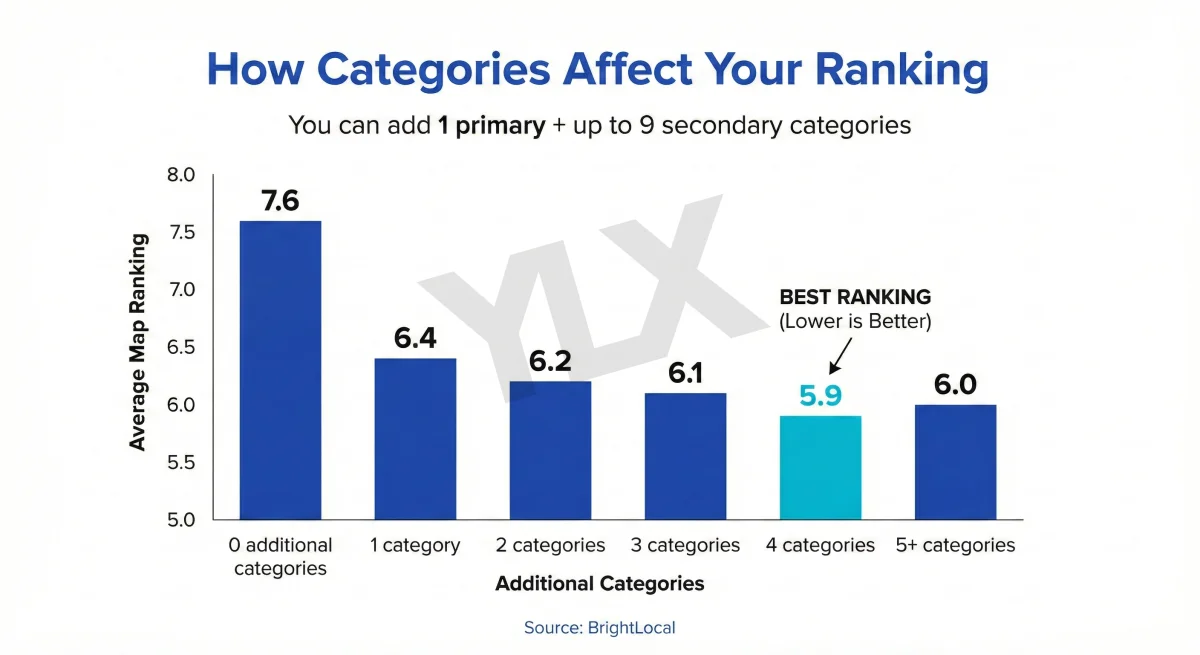
How to Optimize Your Google Business Profile (2026 Guide)
Your Google Business Profile is often the first thing customers see. Learn what actually affects your ranking and how to set up your profile correctly.
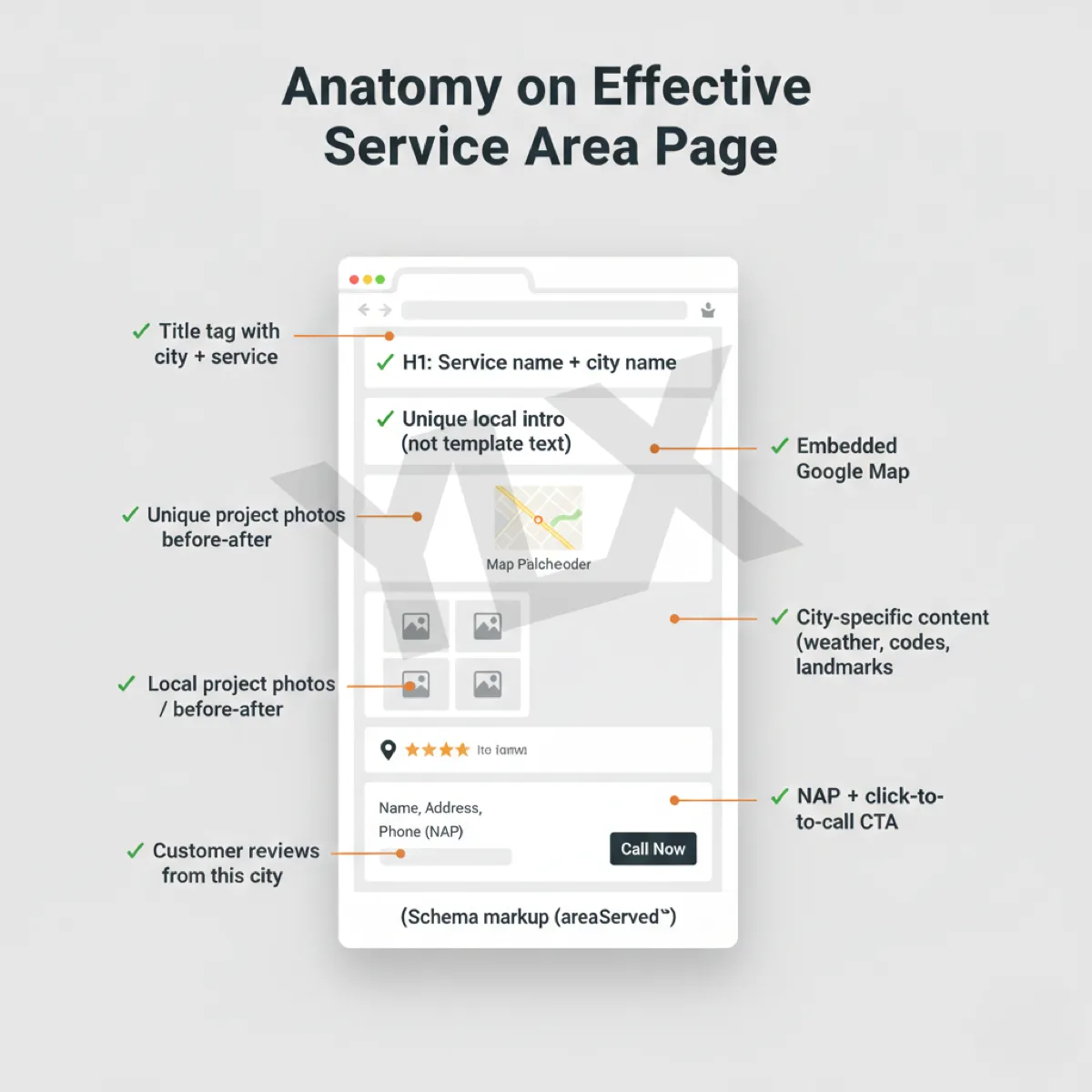
Service Area Pages: Local SEO Without a Storefront
Service area pages help businesses rank in cities they serve but don't have offices in. Learn how to build them right and avoid Google's doorway page penalty.
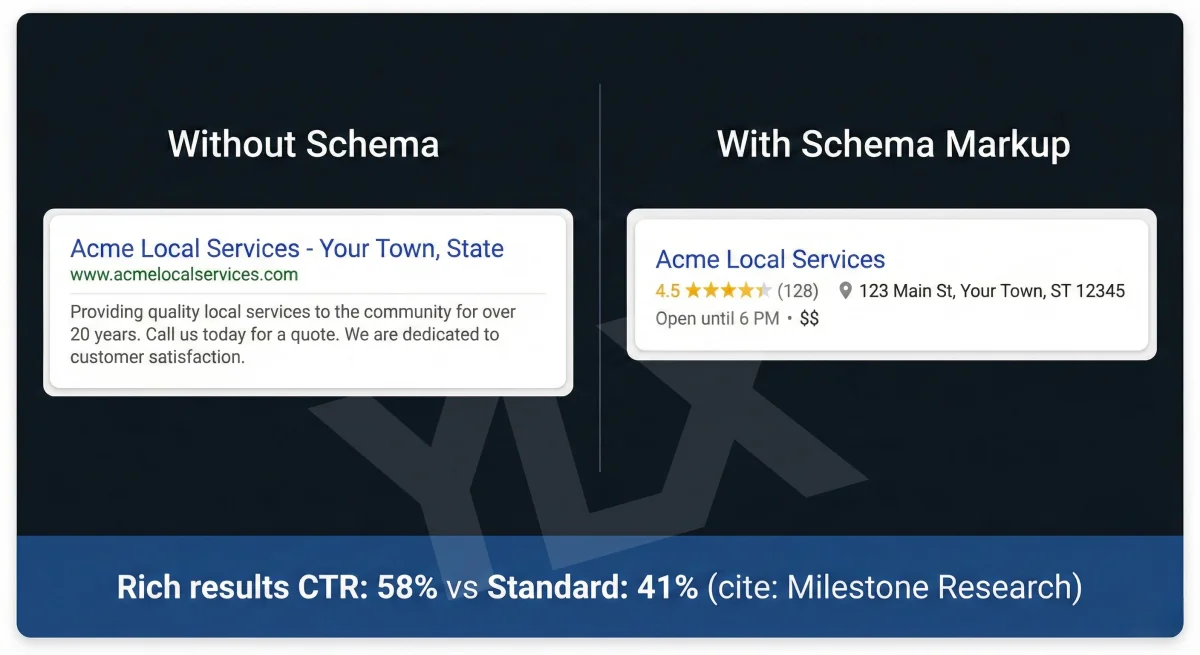
What Is Schema Markup? Structured Data for Local Business
Schema markup helps Google understand your business. Learn what it is, what properties matter, and how to add structured data to your local business website.